
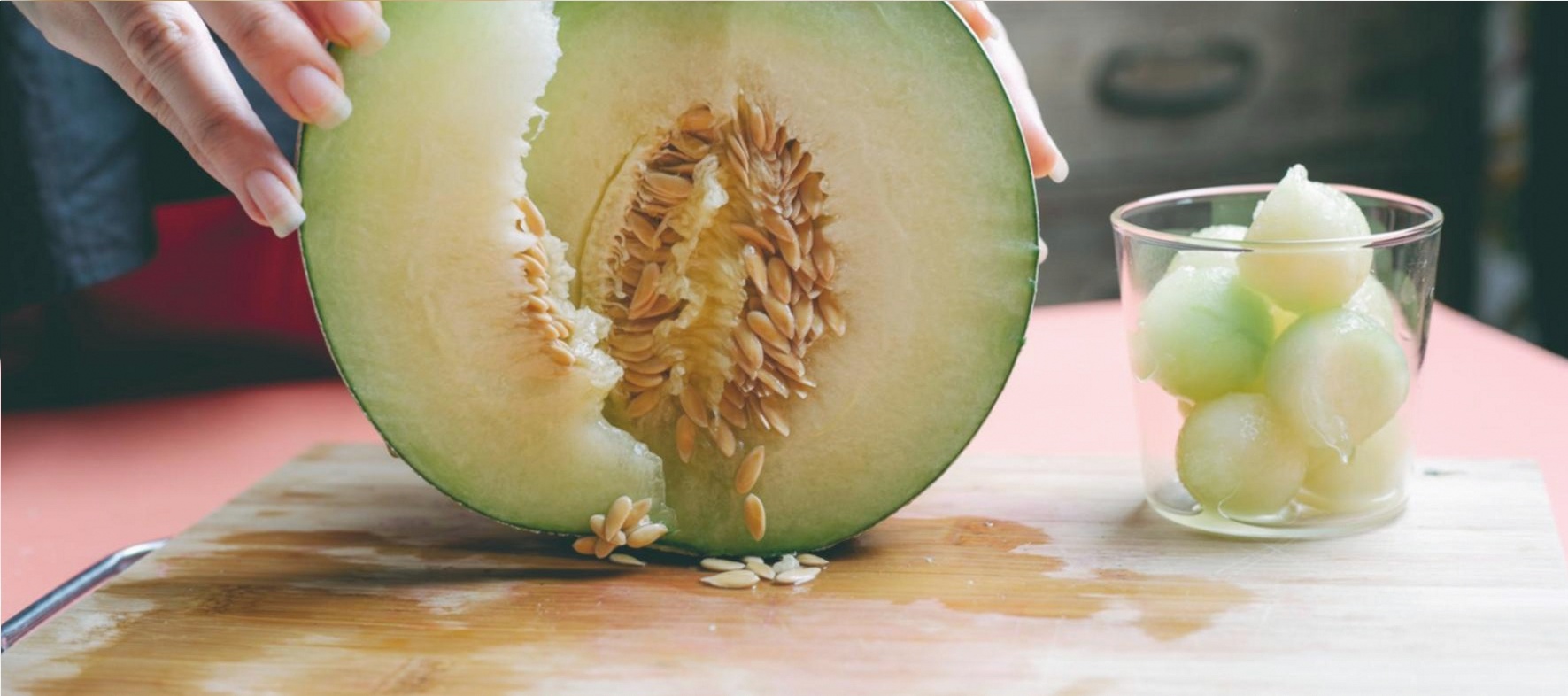
Eating with the season takes practice
See what the course coversHow the learning is actually structured
Most vegetarian resources assume you already know what to do with a kohlrabi in July. Joyfulperks starts from the seasonal calendar itself — what is growing now, what that means for your plate, and how to make it work in an ordinary kitchen.
Each module follows a single season through from market to table. You work with real produce, real constraints, and meal plans that reflect what a local grower actually has available. The emphasis is on building judgment, not memorising recipes.
Progress is incremental by design. The first few weeks are deliberately narrow in scope — one vegetable family, one cooking method — because depth before breadth is what makes the habit stick.
Seasonal calendar as the syllabus
Modules are sequenced by what is in the ground, not by cooking technique. The structure follows nature's rhythm rather than a textbook's.
Nutritional balance without formulas
You learn to read a plate visually — protein density, colour range, fibre — without tracking apps or calorie counting.
Realistic time assumptions
Every recipe in the course is tested at under 45 minutes. The planning tools account for a working week, not an idealised one.
What the course asks of you
Foundations Track
Six modules covering one full seasonal cycle. Lifetime access to materials, downloadable meal planners, and a private recipe index updated each quarter.
Full Year Track
All four seasonal cycles with fortnightly group sessions. You work through the whole calendar year alongside a small cohort of twelve learners maximum.
Single Season
One season only — useful if you want to work on a specific gap, such as winter cooking or summer preservation, without committing to the full arc.
Two people who started with different problems

Brigitte, Nowra South
She had been vegetarian for three years but still felt like she was eating the same seven meals in rotation. The seasonal track forced her to cook with vegetables she had actively avoided — celeriac, silverbeet, green garlic — and that constraint turned out to be the useful part.

Theodora, Berry NSW
She joined the Full Year Track while cooking for a household that included one committed meat eater. The module on adapting meals without making two separate dinners was the one she returned to most. It did not solve every dinner, but it reduced the friction noticeably.
Neither of them arrived with a particular skill gap in cooking. The gap was in knowing what to reach for when the season changes and the usual staples are no longer the best option.
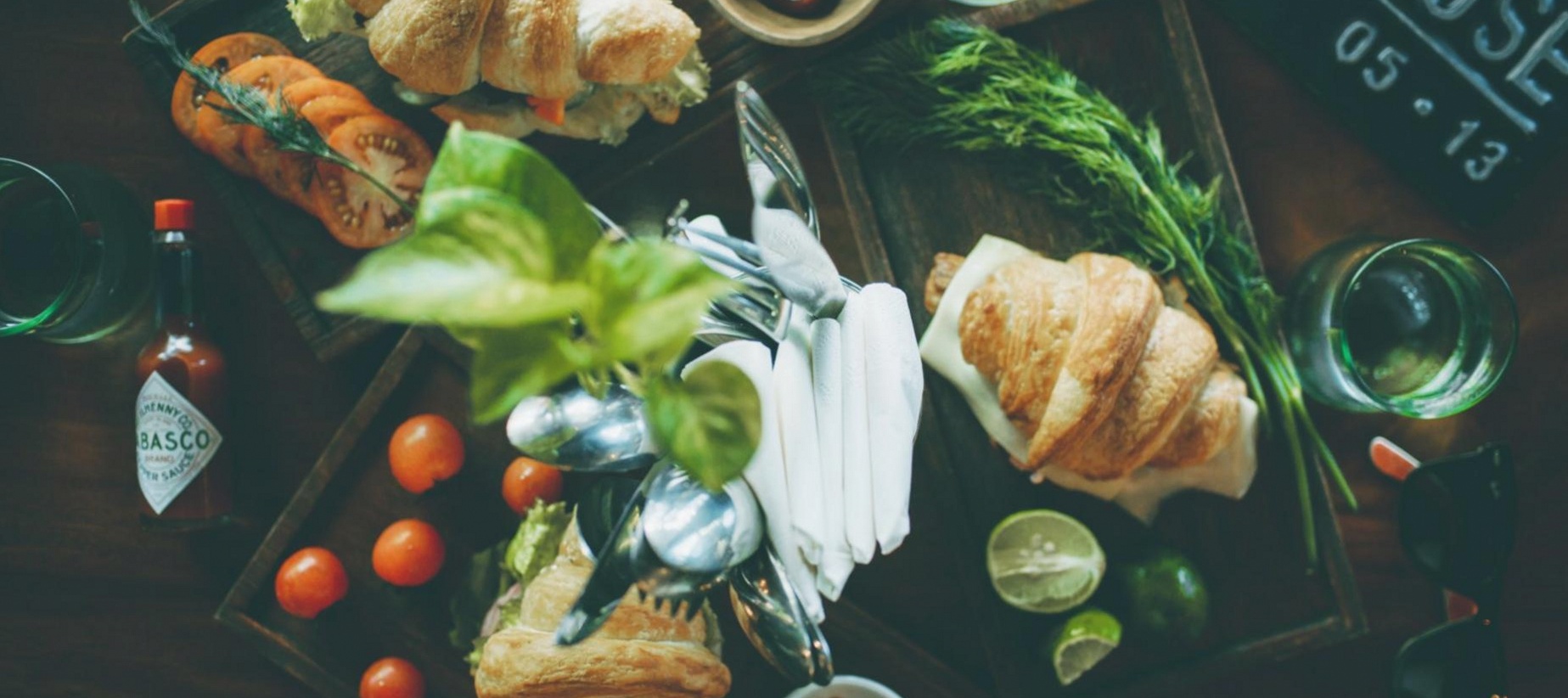
What they both described afterward was less a new set of recipes and more a different relationship with what is available. That shift takes time — usually a full seasonal cycle before it starts to feel automatic.
When the cooking does not go to plan
Support here is specific, not motivational. You can ask a real question and get a direct answer about what went wrong.
Module Q&A
Each module has a thread where you can post a question. Responses come from the course team, not automated suggestions.
Group sessions
Full Year Track participants join fortnightly video calls. The agenda is driven by what learners are actually stuck on that fortnight.
Seasonal updates
Materials are reviewed each quarter and updated where regional availability or supplier information has changed.
Direct contact
For anything that does not fit a thread, email contact@joyfulperks.net. Response within two business days.

What finishing the course actually changes
You start shopping differently
Within the first module, most participants change their market route — moving to the stall with the shortest supply chain rather than the most familiar one.
Meal planning becomes less effortful
The weekly planner tool takes about 20 minutes in week one. By week six, most people report it taking under eight.
The seasonal shift stops feeling like a problem
When zucchini season ends and pumpkin season begins, you have already worked through that transition once. The second time is noticeably easier.
You have a working recipe index
Not a curated collection — your own annotated index, built from what you actually cooked and adjusted during the course.
Preservation becomes a realistic option
The module on fermentation and pickling is practical enough that most participants attempt at least one preservation project before the course ends.

Grounded in what is actually growing now
The course materials are not static. They are reviewed each season against what growers in regional NSW are actually producing — not against a generic national average.
Regional produce index
Each module references what is available within the Shoalhaven and South Coast region specifically. The index is updated quarterly, not annually.
Supplier notes
Where a specific grower or market stall is referenced, the information is checked before each seasonal update. Outdated references are removed rather than left in place.
Climate-aware adjustments
Harvest windows in coastal NSW shift year to year. The course notes flag when a typical timing has moved and why — so your planning reflects reality rather than an average.
Founded in 2025 with current conditions in mind
Joyfulperks was built after a stretch of unusual growing seasons in the region. The curriculum reflects that variability rather than assuming a stable baseline.